

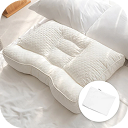
Your natural latex pillow is engineered to support your neck for over a decade, but a single mistake in the laundry room can destroy that ergonomic shape forever. It's a valid concern for anyone who has finally found relief from morning stiffness. You want a clean, fresh bed, but you're rightfully terrified of mold or structural breakdown. Mastering latex pillow care and cleaning instructions is the secret to ensuring your Premium Latex Pillow remains a sanctuary for deep, restorative sleep.
We know the confusion that comes with conflicting "hacks" found online. This guide replaces that anxiety with clear, expert-backed steps to preserve your pillow's hypoallergenic properties and spinal alignment. We'll walk through the essential spot-cleaning methods, the critical "do not do" list for natural materials, and how to use an Anti-Allergy Pillow Cover to maintain a pristine environment. You'll gain the confidence to care for your sleep investment without the fear of ruining the support you need.
Key Takeaways
- Protect your cervical alignment by maintaining the elasticity of the natural latex core through proper hygiene.
- Avoid costly mistakes by learning why you must never submerge your pillow in a washing machine or use high heat.
- Follow our step-by-step latex pillow care and cleaning instructions to safely remove stains using pH-neutral solutions.
- Discover the 360-degree airflow drying technique that prevents moisture buildup and keeps your sleep environment fresh.
- Extend the life of your Premium Latex Pillow by implementing a dual-cover system with an Anti-Allergy Pillow Cover.
Why Proper Latex Pillow Care is Critical for Your Neck Health
When you invest in a Premium Latex Pillow, you aren't just buying a bedding accessory. You're securing a decade of anatomical health and restorative rest. Most people view cleaning as a way to manage smells, but for natural materials, it's about structural preservation. Proper latex pillow care and cleaning instructions are designed to protect the material's elasticity. Without consistent hygiene, the 100% natural latex core begins to oxidize and break down prematurely. This structural failure directly impacts how your neck feels when you wake up. A pillow that has lost its bounce cannot provide the healing environment your body requires.
Cleanliness also ensures that the hypoallergenic and dust-mite-resistant properties of the material remain active. While natural latex is inherently resistant to allergens, a buildup of skin cells and moisture can create a surface layer where irritants thrive. Maintaining a pristine core allows these natural defenses to function properly. This is the foundation of a cervical pillow that works. When the material is clean and the structure is sound, you breathe easier and sleep deeper.
The Link Between Care and Spinal Alignment
Daily use means your pillow absorbs body heat and natural oils. Over time, this residue can seep into the core and soften the foam latex structure. A softening or sagging pillow fails to support the cervical spine, forcing your neck muscles to work throughout the night. This leads to the familiar frustration of waking up with stiffness or tension headaches. Your rebound capacity is the key to pain-free sleep. It's the ability of the foam to push back and cradle your head perfectly. By following the right maintenance routine, you ensure this "snap-back" quality remains as effective on year ten as it was on day one.
Natural Latex vs. Synthetic: Why Material Matters
Organic, plant-based materials are incredibly durable but require a specific touch. Unlike the synthetic fragility often found in memory foam, natural latex is resilient yet sensitive to harsh environments. Even the best latex pillow for neck pain will lose its effectiveness if exposed to acidic cleaners or extreme heat. These elements break the molecular bonds of the organic sap. Using pH-neutral care preserves these bonds, ensuring your Travel Latex Pillow or full-sized core stays supportive. Treating your pillow like a professional-grade tool for your home wellness is the best way to guarantee long-term relief.
The Golden Rules: What You Must Never Do to Natural Latex
Natural latex is a resilient, high-performance material. It's designed to last for over a decade. However, it has specific vulnerabilities that can turn your investment into a crumbling mess. Understanding these "never" rules is the most important part of latex pillow care and cleaning instructions. Ignoring these guidelines doesn't just make the pillow dirty. It destroys the molecular structure of the foam. You end up with a pillow that feels like a shadow of its former self, losing the very support that helps you sleep through the night.
The Danger of the Washing Machine Agitator
Many people assume that a heavy-duty cycle is the best way to deep clean. This is a mistake. The mechanical agitation in a washing machine creates intense friction. This force easily tears the delicate, open-cell structure of the foam. Once these cells are damaged, the pillow loses its ability to bounce back. It becomes lumpy and uneven. This unevenness is the primary cause of neck strain during sleep. It's impossible to fix once the internal structure has shredded.
There's also the issue of moisture. Latex is incredibly dense. Water gets trapped in the center of the core and stays there. A washing machine saturates the entire block, making it nearly impossible to dry completely. This creates a breeding ground for mold and mildew. You won't see it on the surface, but it's there. While your outer case and your Premium Latex Pillow covers are machine-washable, the core itself must stay out of the drum. Keeping the core dry is your first line of defense against allergens.
UV Light and Oxidation: The Silent Killers
Sunlight is the enemy of organic latex. When exposed to direct UV rays, a process called oxidation occurs. You'll notice the material turning yellow and becoming brittle. Eventually, it starts to "shed" small particles. This means the material is literally crumbling away. This is why you should never leave your pillow on an outdoor clothesline or near a sunny window for long periods. The degradation is permanent and non-reversible.
Always dry your pillow in a well-ventilated, shaded indoor area. This protects the integrity of the plant-based materials. For detailed latex pillow care, remember that heat is just as damaging as light. Never use a clothes dryer or a hair dryer on the foam. High temperatures melt the latex fibers, causing them to fuse together. They lose their ergonomic shape instantly. Avoid harsh chemicals like bleach or synthetic detergents. These strip the natural oils from the latex and accelerate the aging process. If you want the best latex pillow for neck pain, keeping it away from these "golden rule" violations is essential. Proper latex pillow care and cleaning instructions are the only way to safeguard your sleep quality for the long haul.

Step-by-Step Guide: How to Clean Your Latex Pillow Safely
Cleaning your pillow shouldn't feel like a high-stakes gamble. If you follow a methodical approach, you can maintain that "brand new" feel without risking the core's integrity. Start by stripping the pillow down. Remove both the outer decorative case and the inner protective cover. These fabric layers act as the primary shield against dust and oils. While the covers go into the washing machine, the latex core stays on a clean, flat surface. This separation is the first rule of latex pillow care and cleaning instructions.
Next, prepare your cleaning environment. You don't need industrial chemicals. A simple mixture of warm water and a few drops of pH-neutral soap is all it takes. Use a soft, white, lint-free cloth to avoid dye transfer from the fabric to the latex. Dabbing the cloth into the solution is enough; you never want to soak the material. Use a gentle "press and release" motion. This allows the soapy water to reach the surface fibers without saturating the deep interior. Finally, wipe the area with a fresh, damp cloth to lift away any lingering soap residue. This ensures the material stays breathable and supportive.
Spot Cleaning vs. Deep Freshening
Sometimes, a full refresh isn't necessary. Spot cleaning is ideal for accidental spills or small marks. If you're using a natural latex travel pillow, spot cleaning after a long trip is usually sufficient to maintain hygiene. However, deep freshening is better for managing sweat or oil buildup that accumulates over several months of use. For a safe cleaning solution, use a ratio of one teaspoon of mild soap to one liter of warm water. This specific concentration is strong enough to sanitize but gentle enough to protect the organic latex bonds. It prevents the moisture from becoming trapped deep within the open-cell structure.
Choosing the Right Cleaning Agents
The choice of soap is critical for long-term durability. Stick to mild baby shampoos or specialized delicate washes designed for wool. These formulas lack the aggressive enzymes found in standard detergents. Avoid citrus-based cleaners at all costs. The citric acid can degrade natural rubber, leading to the structural breakdown we discussed in previous sections. Fragrance-free options are always the superior choice. They ensure your sleep remains hypoallergenic and free from synthetic scents that might trigger sensitivities. Learning how to clean your latex pillow properly means respecting the material's unique chemistry while following latex pillow care and cleaning instructions carefully.
Drying and Deodorizing: Maintaining a Fresh Sleep Environment
Cleaning your pillow is only half the battle. If you leave moisture behind, you risk internal mold growth that can ruin your sleep environment. Natural latex is incredibly dense. Water doesn't just sit on the surface; it can get trapped deep within the open-cell structure. Mastering latex pillow care and cleaning instructions requires patience during the drying phase. Rushing this process with heat will damage the foam, while ignoring it leads to hygiene issues. Your goal is a core that is bone-dry and fresh, ensuring your Premium Latex Pillow remains a sanctuary for rest.
To start the drying process, press the pillow firmly between two thick, absorbent towels. This "sandwich" technique extracts the bulk of the moisture without compromising the material. Place the pillow on a flat drying rack to allow 360-degree airflow around the entire core. Using a cool-air fan nearby can significantly accelerate evaporation indoors. Before you put the covers back on, check the core by gently squeezing it in several places. If the center feels cool or unusually heavy, internal dampness remains. It needs more time.
The Towel-Press Method for Rapid Drying
Success with the towel-press method comes down to pressure, not friction. Lay one towel down, place your pillow on top, and cover it with a second towel. Press down with your hands or even stand on it briefly to force water into the fabric. You must never wring or twist the latex foam. These twisting motions tear the delicate internal bonds that provide your ergonomic support. For the best results, replace wet towels with fresh, dry ones every few hours. This constant wicking action is the safest way to handle latex pillow care and cleaning instructions at home.
Natural Deodorizing Without Chemicals
New natural latex often has a faint, sweet "vanilla" scent. This is a sign of purity and typically fades within a few weeks. If you notice unwanted odors from sweat or oils, don't reach for chemical sprays. Instead, sprinkle a light layer of baking soda on the removable covers; never apply it directly to the foam core. Let it sit for an hour before vacuuming it off the fabric. High-quality covers, like those found on the best pillow for side sleepers, are engineered to block these odors from reaching the latex in the first place. This multi-layer protection keeps your sleep space pristine and hypoallergenic.
Ready to upgrade your sleep hygiene? Protect your investment and breathe easier tonight with our Anti-Allergy Pillow Cover.
Long-Term Maintenance: Keeping Your Gurum Pillow in Peak Condition
A high-quality pillow is a long-term commitment to your physical well-being. It's a rhythm. While our previous steps covered the essentials of latex pillow care and cleaning instructions, true longevity comes from prevention. You don't want to clean the core more often than necessary. Every time you spot clean, you introduce moisture. The goal is to keep the core so well-protected that deep cleaning becomes a rare necessity. This proactive approach preserves the material's rebound capacity and ensures your cervical support remains consistent year after year.
The foundation of this strategy is a dual-cover system. Use a dedicated inner protector and an outer decorative case. This creates two separate barriers against body oils, sweat, and skin cells. Wash your outer pillowcases weekly in hot water. This simple habit prevents organic matter from ever reaching the latex core. Every few months, rotate your pillow 180 degrees. This ensures that the pressure from your head is distributed evenly across the foam over time. Even the most resilient natural latex eventually reaches the end of its life. With proper care, you can expect 5 to 10 years of peak performance. If you notice persistent sagging or a loss of "push-back," it's time to refresh your sleep setup.
The Power of Anti-Allergy Protective Covers
A high-thread-count barrier is your best defense against environmental sensitivities. These covers act as a physical shield that dust mites cannot penetrate. The ideal protector is waterproof yet breathable. It should block liquid spills while allowing heat to escape, keeping the latex cool. We recommend using our Anti-Allergy Pillow Cover as your primary line of defense. It's designed to fit our cores perfectly. This ensures there is no friction between the foam and the fabric. Excessive friction can lead to premature shedding of the latex fibers and a loss of density.
Daily Habits for a Fresher Pillow
Small daily actions lead to big results. Get into the habit of "fluffing" your pillow every morning. This isn't about changing the shape; it's about encouraging airflow through the open-cell pores. It helps any residual moisture from your sleep evaporate quickly. Keep your bedroom humidity below 50% if possible. High humidity encourages moisture retention in dense materials like latex. By controlling the environment, you extend the life of your investment. If you're ready for a transformative rest, invest in a best latex pillow that is built to last a decade.
Secure a Decade of Pain-Free Mornings
Maintaining your sleep sanctuary isn't just about hygiene; it's about protecting the anatomical support your neck depends on every single night. By avoiding the destructive forces of the washing machine and harsh UV rays, you keep the core's rebound capacity intact. Implementing a consistent routine with a dual-cover system ensures your environment remains hypoallergenic and free from the irritants that disrupt deep rest. Mastering these latex pillow care and cleaning instructions is the final step in turning a simple purchase into a long-term wellness investment.
You deserve to wake up refreshed and free from the lingering frustration of chronic physical discomfort. Our solutions are crafted from 100% Natural Latex and specifically designed for spinal alignment to heal your neck while you sleep. Experience the transformative power of professional-grade support with the added convenience of Free US Shipping on every order. It's time to stop settling for poor sleep quality and start prioritizing your recovery with a tool built to last.
Upgrade your sleep with the Premium Gurum Latex Pillow
Take proactive control of your rest today. Your body will thank you for the extra care, and your future self will cherish the years of lasting support and comfort ahead.
Frequently Asked Questions
Can I put my latex pillow in the washing machine?
You should never put your natural latex pillow in a washing machine. The agitator's mechanical force shreds the delicate cellular structure, leading to permanent lumps and a loss of support. It also saturates the core with water that is nearly impossible to remove. This trapped moisture creates a hidden breeding ground for mold. Stick to the manual spot-cleaning techniques mentioned in our latex pillow care and cleaning instructions to keep your core safe.
How often should I clean my natural latex pillow?
You only need to spot clean the core when a spill occurs or a stain is visible. However, you should wash your outer pillowcases and Anti-Allergy Pillow Cover every week to prevent hair and body oils from reaching the foam. A deeper freshening of the latex core is typically only necessary once or twice a year. This minimal approach prevents the material from breaking down due to over-exposure to moisture.
What happens if my latex pillow gets wet?
A wet latex pillow becomes incredibly heavy and vulnerable to structural damage. If your pillow gets saturated, act immediately using the towel-press method to wick away moisture. Never wring or twist the material, as this tears the internal bonds that provide your cervical support. Place it on a flat rack with 360-degree airflow until it's completely dry. Squeeze the center firmly to ensure no hidden dampness remains before use.
How do I remove the "new" smell from a latex pillow?
The "new" smell is a natural characteristic of organic latex and will fade on its own within a few weeks. It often has a mild, sweet scent similar to vanilla. To accelerate the process, remove all covers and let the pillow sit in a well-ventilated, shaded room for 48 to 72 hours. Avoid placing it in direct sunlight. UV rays cause the material to become brittle and yellow, which ruins the texture.
Can I use a hairdryer to speed up the drying process?
You must never use a hairdryer or any high-heat source on your pillow. Intense heat causes the natural rubber to melt and fuse together, which permanently ruins the ergonomic shape. This destruction of the material's rebound capacity leads to morning neck pain. If you need to speed up drying, use a cool-air fan in a room with low humidity. This encourages natural evaporation without damaging the delicate organic fibers.
How do I get yellow stains out of a latex pillow?
Yellow stains are usually caused by natural body oils and can be treated with a mild, pH-neutral soap solution. Mix a teaspoon of soap with a liter of warm water and dab the area gently with a lint-free white cloth. Avoid aggressive scrubbing, which can pull at the foam's open-cell structure. Following these latex pillow care and cleaning instructions helps restore the core's appearance while maintaining the hygiene of your sleep environment.
Is it okay to steam clean a latex pillow?
Steam cleaning is too aggressive for natural latex pillows and should be avoided. The combination of high-temperature vapor and intense moisture penetrates deep into the core and breaks down the plant-based materials. This leads to premature oxidation and a loss of the "snap-back" quality you need for spinal alignment. For a safe refresh, stick to gentle surface cleaning with lukewarm water and allow plenty of time for air drying.
How do I know if my latex pillow has mold?
Signs of mold include a persistent musty odor or visible dark, fuzzy spots on the foam surface. If the pillow feels unusually heavy or damp deep inside long after a cleaning session, internal mold may be developing. Because mold can trigger respiratory issues and environmental sensitivities, it's often safer to replace the pillow if the growth is extensive. Consistent use of an Anti-Allergy Pillow Cover helps prevent this moisture buildup.