

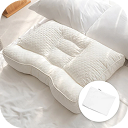
Most travel pillows are little more than stuffed toys for adults. They fail exactly when your cervical spine needs them most. You know the feeling of waking up in a cramped plane seat with a sharp crick in your neck. It's frustrating to spend money on comfort only to end up hot, sweaty, and sore before you even land. You deserve a solution that doesn't flatten out after a single trip.
Finding the best travel pillow for neck support is about more than just finding something soft. It's about maintaining proper spinal alignment while sitting upright. In this review, we'll discover if the Juvea Travel Pillow provides the cervical support you need for pain-free travel or if a specialized ergonomic alternative is your best bet for long-term health. We'll look at how 100% natural latex performs under pressure. You'll learn whether Talalay latex offers the push-back support required to prevent the dreaded bobblehead effect, ensuring you wake up refreshed instead of restricted.
Key Takeaways
- Understand why standard foam collapses during seated sleep and how the resilience of Talalay latex prevents the painful "bobblehead" effect.
- Discover why the best travel pillow for neck support requires a specific "push-back" density to keep your spine aligned in cramped cabin seats.
- Learn how 100% natural latex provides a breathable, hypoallergenic environment that stays cool and clean throughout your journey.
- Explore how specialized ergonomic shapes solve the unique loft needs of side and back sleepers when resting upright.
- Gain insight into why investing in durable, expert-designed latex ensures your support won't flatten out after just a few trips.
The Seated Sleep Crisis: Why Most Travel Pillows Fail Your Neck
Most travelers mistake softness for support. They buy a pillow that feels like a marshmallow in the airport shop, only to wake up mid-flight with a radiating ache. When you're searching for the best travel pillow for neck support, you aren't just looking for a cushion. You're looking for a structural tool to fight gravity. In an upright seat, your head is a weight that your neck isn't designed to hold for hours without help.
True anatomical support is different from "squishy" comfort. While a soft pillow feels good for five minutes, it lacks the resilience to maintain cervical alignment. Without that alignment, your head tilts at awkward angles, stretching ligaments and compressing nerves. This is the difference between a restful nap and a week of physical therapy. You need a material that holds its shape under pressure, not one that collapses the moment you lean into it.
The Biomechanics of Upright Rest
Your head weighs roughly 10 to 12 pounds. When you sleep sitting up, gravity pulls that weight forward or to the side. Your neck muscles, specifically the levator scapulae and trapezius, must overcompensate to keep your airway open and your head stable. This struggle creates the "bobblehead" effect, where your head constantly drops and jerks you awake, leaving you exhausted upon arrival.
Upright sleep requires a much higher "push-back" factor than lying in bed. Your travel pillow must act as a firm scaffold. Cervical strain is the primary byproduct of unguided seated sleep. Without a material that pushes back against the weight of your skull, your spine loses its natural curve. This leads to immediate stiffness and can trigger chronic issues for those already struggling with neck sensitivity.
Material Fatigue: The Memory Foam Problem
Memory foam is the most common material in travel accessories, but it's often the wrong choice for a cramped cabin. Synthetic foams are "low-resilience" by design. They're meant to sink. While this works on a flat mattress, it fails in a vertical seat. Within 30 minutes, the heat from your neck softens the foam until it flattens completely. You're left with a thin layer of fabric that provides zero anatomical benefit.
Heat retention is another major drawback. Memory foam traps body heat, creating a "hot house" effect around your neck. In a stuffy airplane or car, this leads to sweating and restlessness. Natural latex, particularly when manufactured through the Talalay process, offers a superior alternative. It features an open-cell structure that allows air to circulate freely. Unlike synthetic foam, latex maintains its loft and temperature regardless of how long you use it. Choosing the best travel pillow for neck support means prioritizing these breathable, resilient materials that won't give up on you when the flight gets long.
Juvea Travel Pillow Review: Analyzing the Talalay Advantage
Juvea has built a reputation on a single, premium material: Talalay latex. While standard foam is poured and baked, Talalay undergoes a vacuum and flash-freeze process. This creates a consistent, airy cell structure. For the traveler, this means the pillow doesn't have "dead spots" or hard lumps. It provides a reliable surface that reacts instantly to your movement. When you're searching for the best travel pillow for neck support, this immediate response is vital for staying asleep during turbulence or seat adjustments.
Safety is a standout feature here. The Juvea Travel Pillow carries the OEKO-TEX Class 1 certification. This is the highest standard possible, ensuring the material is free from harmful chemicals. It's a reassuring thought when your face is pressed against a surface for a ten-hour flight. The cooling cover also performs well. It works in tandem with the latex to move heat away from your skin. It prevents that swampy, overheated sensation common with synthetic travel gear. Regarding portability, it's a bit bulkier than inflatable options. It doesn't fold into a pocket, but it compresses enough to clip onto a bag. It's a trade-off: you carry a little more weight to get actual, physical support.
Support and Loft Performance
The Juvea model features a high-profile design. This is particularly helpful for side sleepers who need to fill the void between their ear and the airplane window. The open-cell technology is not just a marketing buzzword. It's a functional necessity in low-ventilation cabins. Air flows through the pillow, keeping the core temperature stable. In terms of durability, latex is a marathon runner. While cheap foam pillows flatten after one season, this pillow maintains its loft for years of international trekking.
Potential Drawbacks for Chronic Pain Sufferers
Despite the material quality, the shape is a traditional "U" design. This can be a hurdle for those with specific anatomical needs, such as "military neck" or chronic cervical issues. A generic curve doesn't always provide the targeted pressure relief required for long-term comfort. Some users also report a "bouncy" sensation. If you're used to the slow, sinking feeling of memory foam, the active push-back of Talalay can take a few trips to get used to. Additionally, while the cover is removable, the zipper hardware feels a bit delicate after repeated airport-germ-fighting washes.
If you find that standard U-shapes still leave you with a lingering ache, you might need something designed by a specialist. An ergonomic travel latex pillow can often provide the precise density and contouring that generic shapes miss, bridging the gap between luxury material and medical-grade support.
Latex Material Science: Why It Outperforms Synthetic Alternatives
The secret to a pain-free journey lies in a material's resilience. Most travelers are familiar with the "sink" of memory foam. While it feels soft initially, that sinking is actually a lack of support. Natural latex offers a high-resilience "bounce-back" factor. It responds instantly to every micro-movement of your head. This immediate reaction ensures your spine never loses its alignment, even when you shift positions in a narrow middle seat. When looking for the best travel pillow for neck support, this active response is what prevents the muscles from straining to find stability.
Beyond physical support, latex protects your respiratory health. Airplane cabins are notorious for trapping allergens and dust mites in the upholstery. Natural latex is inherently hypoallergenic and antimicrobial. It creates a hostile environment for the microscopic triggers that cause congestion or itchy eyes during travel. It's a cleaner way to sleep. Unlike petroleum-based foams that off-gas "new car" smells, 100% natural latex is harvested from rubber trees. It's a sustainable choice that respects both your body and the planet.
Longevity is where the value truly reveals itself. A standard synthetic pillow often loses its structural integrity within a few months of heavy use. It becomes lumpy or flat. A premium latex travel pillow is a decade-long investment. It's designed to last 5 to 10 years without losing its loft. You won't find yourself mid-flight trying to "fluff" a pillow that has given up on you. It remains as supportive on your fiftieth trip as it was on your first.
Breathability and Airflow
Natural latex features a unique open-cell structure. Think of it as a series of microscopic pathways that allow heat to escape. Synthetic foams act like insulators, trapping your body heat and causing the dreaded "hot ear" sensation. This is especially uncomfortable with wrap-around designs that hug the neck. Latex keeps the surface temperature neutral. For travelers with high sensitivities, using anti-allergy pillow covers adds a secondary defense against cabin dust while maintaining this essential airflow.
Value and Cost-Per-Use
The math of travel comfort is simple. You can buy a cheap $20 foam pillow every year, or you can invest in the best travel pillow for neck support once. The cost-per-use of a latex pillow is significantly lower over its five to ten-year lifespan. To ensure you're getting the real thing, look for "100% natural latex" on the label. Avoid "latex blends," which often mix natural sap with synthetic fillers. Pure latex doesn't require constant readjusting. It stays put, allowing you to drift off without the frustration of a collapsing cushion.
Finding the Right Ergonomic Shape for Your Travel Style
Your sleep position doesn't change just because you're 30,000 feet in the air. Side sleepers require a higher loft to bridge the distance between the shoulder and the headrest. Without this height, the head tilts sharply, straining the delicate muscles of the neck. Back sleepers, conversely, need a thinner profile that cradles the occipital bone without pushing the chin toward the chest. Finding the best travel pillow for neck support means selecting a shape that respects these anatomical differences rather than forcing a one-size-fits-all solution.
The "Hotel Pillow Rescue" is a hidden benefit of traveling with a high-quality latex core. Most hotel pillows are either too soft or have lost their structural integrity, leading to a "pancake" effect that ruins your sleep. Your travel pillow can serve as a secondary support layer. By placing it on top of or inside a flat hotel pillowcase, you introduce the consistent push-back of latex to an otherwise unsupportive bed. It's a simple way to ensure your recovery continues long after you've reached your destination.
Testing for true cervical support is straightforward. Sit in your usual travel position and lean back. If you can feel a gap between the curve of your neck and the seat, your pillow is failing you. A proper support tool should fill that void completely, providing a gentle but firm pressure that allows your muscles to fully relax. When it comes to portability, natural latex is surprisingly resilient. You can compress it into a tight roll for transit, and it will snap back to its original shape instantly without damaging the internal cell structure.
Maintaining Spinal Alignment on the Road
Filling the gap between your neck and the headrest is non-negotiable for pain prevention. If your spine isn't neutral, your nervous system remains on high alert, preventing deep, restorative rest. For a detailed look at how these mechanics work, see this Cervical Pillow Guide. Remember, no support is often better than bad support. A pillow that is too thick or too soft can actually increase the torque on your vertebrae, leading to more pain than if you had used nothing at all.
Hygiene and Travel Care
Travel is messy. Your pillow will inevitably come into contact with airport floors, tray tables, and luggage bins. To keep it fresh, always use a dedicated carry case to protect the latex from environmental contaminants. When packing, roll the pillow rather than folding it to distribute the pressure evenly across the core. Most premium covers are machine washable, which is essential for removing the bacteria and oils that accumulate during long-haul journeys. Regular cleaning ensures your best travel pillow for neck support remains a healthy, inviting place to rest.
Stop settling for generic comfort that leaves you in pain. Experience the difference of expert-led design and upgrade to a Gurum Travel Latex Pillow for your next adventure.
The Gurum Travel Latex Pillow: Expert-Led Relief for 2026 Travelers
Travel shouldn't be a detour from your spinal health routine. While many brands offer generic comfort, the Gurum philosophy is rooted in a clinical understanding of the body. Ji H. Won designed these pillows because mainstream options failed to address the root cause of chronic cervical strain. By choosing the best travel pillow for neck support, you're bringing a professional-grade wellness tool into the cabin. It's about maintaining the same standard of care you expect from your Premium Latex Pillow at home, regardless of your destination.
Consistency is the key to upright support. The Gurum Travel Latex Pillow uses a specific density that doesn't fluctuate with cabin temperature or altitude. It provides a reliable scaffold for your head, ensuring your airway remains open and your vertebrae stay neutral. This is the 100% natural latex advantage. There are no synthetic blends, petroleum fillers, or harsh chemicals. You receive pure, resilient support that respects your respiratory health while providing the structural integrity needed for a ten-hour flight.
Designed for Chronic Neck Pain Sufferers
Ji H. Won’s mission was born from a desire to solve the pain other pillows ignored. For those with chronic sensitivities, a standard U-shape isn't enough. The Gurum ergonomic shape is intentional; it prevents the head from tilting at awkward angles that trigger muscle spasms and nerve compression. The specific "push-back" feel of Gurum latex provides an active lift that keeps your head centered without the rigidity of traditional medical braces. It bridges the gap between luxury comfort and anatomical necessity, allowing your neck muscles to finally go offline and rest.
Why Gurum Wins for 2026 Trips
Waking up refreshed after a red-eye flight shouldn't be a luxury. It should be the standard. Gurum delivers on this promise by combining material science with expert-led design. We understand the logistics of modern travel, which is why we offer free shipping in the USA on qualifying orders for all our travel gear. You've likely spent years trying different foams and shapes only to be disappointed. It's time to invest in a solution that works as hard as you do. Your next journey deserves the best travel pillow for neck support. Don't leave your comfort to chance. Shop the Travel Latex Pillow and experience the relief that only expert engineering can provide.
Take Control of Your Travel Health
Choosing the best travel pillow for neck support is a commitment to arriving at your destination ready for adventure. You've seen how standard memory foam fails under the pressure of upright rest. You now understand that Talalay latex offers a superior, breathable alternative that won't lose its shape mid-flight. Proper spinal alignment isn't just a luxury; it's a necessity for anyone who's ever suffered through a long-haul journey with a stiff neck. By prioritizing resilience and anatomical design, you can finally end the cycle of restless, painful travel.
Our solution is built on clinical expertise and 100% natural, breathable latex. We've eliminated the synthetic chemicals and heat-trapping foams that ruin sleep. Instead, we provide a tool designed by ergonomic experts to cradle your neck and prevent the awkward tilting that causes lasting strain. With free US shipping on qualifying orders, your next pain-free trip is closer than you think. Experience pain-free travel with the Gurum Travel Latex Pillow. You deserve to wake up refreshed and ready to explore.
Frequently Asked Questions
Is the Juvea travel pillow better than memory foam for neck pain?
Yes, it offers superior resilience because it doesn't collapse under body heat like memory foam does. Talalay latex provides an active push-back that maintains your cervical alignment throughout a long-haul flight. While memory foam traps you in one position as it sinks, latex responds to every micro-movement. This makes it a strong contender for the best travel pillow for neck support for those who need consistent, reliable density.
Can I wash my natural latex travel pillow in the machine?
No, you should never put the latex core in a washing machine or dryer. Submerging natural latex in water can break down its cellular structure and ruin its supportive properties. Instead, simply remove the outer cover and wash it on a gentle cycle. If the latex core itself gets soiled, use a damp cloth for spot cleaning and allow it to air dry completely away from direct sunlight.
How do I pack a latex travel pillow so it doesn't take up too much space?
Roll the pillow tightly from one end to the other and secure it with a strap or place it inside its carry case. Natural latex is highly resilient and can be compressed significantly without damaging its internal core. Once you reach your seat, simply unroll it. It'll snap back to its original loft and shape instantly, unlike foam alternatives that may stay squashed for several minutes after being unpacked.
What is the difference between Talalay and Dunlop latex for travel pillows?
Talalay latex undergoes a vacuum and flash-freeze process that results in a more consistent, airy cell structure perfect for travel comfort. Dunlop latex is typically denser and heavier because it is poured and baked in a single stage. For a portable support tool, Talalay is often preferred. It offers better airflow and a lighter weight without sacrificing the essential push-back factor needed for upright sleep in a plane seat.
Is a latex travel pillow too firm for a side sleeper?
No, it's actually ideal for side sleepers because it maintains the necessary loft to fill the gap between your shoulder and the headrest. Many side sleepers find that soft, synthetic pillows collapse, leaving their head tilted at a painful angle. The best travel pillow for neck support for side sleepers is one that stays firm enough to keep the spine neutral while still feeling soft and pressure-relieving against the skin.
Does the Juvea travel pillow fit in a standard carry-on bag?
Yes, it fits into most standard carry-on bags, especially when compressed in its travel sleeve. While it doesn't fold as small as an inflatable pillow, its ability to squish into tight corners makes it very portable. Many travelers prefer to clip the pillow's carry case to the outside of their backpack using a carabiner. This saves internal space for other essentials while keeping your support easily accessible during boarding.
How long does a natural latex travel pillow typically last?
A high-quality natural latex travel pillow typically lasts between 5 and 10 years. This longevity far exceeds that of memory foam or polyester-filled pillows, which often lose their shape within six months of regular use. Because latex is a durable, natural material, it resists sagging and lumping over time. This makes it a cost-effective investment for frequent fliers who want a reliable sleep surface for every single trip.
Will a latex pillow help with night sweats during long flights?
Yes, the open-cell structure of natural latex allows for significantly better airflow than synthetic materials. It doesn't trap body heat, which is the primary cause of night sweats and "hot ear" discomfort in cramped, poorly ventilated cabins. When paired with a breathable cover, a latex pillow helps maintain a neutral temperature. You'll stay cool and dry even during the longest red-eye flights, waking up feeling refreshed instead of sticky.