

What if the "new car smell" in your bedroom is actually the reason you wake up with a dull headache and a stiff neck? It's a silent frustration. You want a sanctuary that restores your body. Instead, you're met with allergy flare-ups and a pillow that flattens within months. You've likely tried standard options and felt the disappointment of a product that fails both your spine and the planet.
We understand that true rest requires more than just softness. It demands anatomical integrity. It requires environmental safety. This guide reveals the healthiest eco-friendly pillow materials designed to protect your cervical spine while ensuring a toxin-free environment. With 65% of consumers now choosing organic bedding, the shift toward sustainable sleep is a vital step for your long-term health.
We'll examine the latest 2026 standards, such as the GOTS 8.0 update, and help you identify high-resiliency solutions that won't lose their shape. Prepare for a chemical-free bedroom and the relief of waking up truly refreshed.
Key Takeaways
- Identify the "silent off-gassing" risks in traditional petroleum-based foams and how they affect your daily respiratory health.
- Discover why 100% natural latex and organic wool are the leading eco-friendly pillow materials for sustainable, non-toxic rest in 2026.
- Understand the ergonomic difference between the sinking sensation of memory foam and the buoyant, "floating" support of natural latex.
- Learn how to verify organic claims using the latest GOLS and GOTS 8.0 standards to avoid common industry greenwashing.
- Find a professional-grade latex solution designed to eliminate chronic neck stiffness and provide a durable, hypoallergenic sleep environment.
Beyond the Buzzwords: Why Your Pillow Material Affects Your Health
True eco-friendly pillow materials aren't just a marketing trend. They are a fundamental necessity for your long-term health and restorative rest. To be genuinely sustainable, a material must meet three specific criteria: it's renewable, non-toxic, and biodegradable. When you choose a pillow made from natural sap or organic fibers, you're avoiding the chemical cocktails often found in common pillow filling materials like polyester or polyurethane. It's about creating a sleep sanctuary that supports your body without compromising your air quality.
Many sleepers struggle with "silent off-gassing" without realizing it. This is the slow release of Volatile Organic Compounds (VOCs) from petroleum-based foams directly into your breathing zone. Even with updated safety standards, standard foams can still contain trace amounts of chemicals. As of January 1, 2026, CertiPUR-US certified foams allow a phthalate limit of up to 0.01% by weight. While this is an improvement, sensitive individuals often find that even these levels trigger nighttime congestion, allergy flare-ups, or morning brain fog. Switching to hypoallergenic natural materials isn't just an environmental choice; it's a breath of fresh air for your lungs.
Your physical comfort is also deeply tied to material integrity. If you wake up with a stiff, straight neck, you might be experiencing "Military Neck," also known as cervical kyphosis. This condition is often exacerbated by pillows that fail to provide consistent support. When a fill material collapses, your cervical spine loses its natural curve. A resilient, natural material provides the buoyant lift needed to maintain anatomical alignment all night long, allowing your muscles to finally relax and recover.
The Hidden Cost of Synthetic Foams
Standard pillows often rely on polyurethane, a byproduct of the oil industry. These synthetic foams are inherently heat-sensitive. They trap your body warmth, which then causes the material to soften and release more chemical odors. This cycle leads to a restless night spent searching for the "cool side" of the pillow. Beyond your personal discomfort, the production of these synthetic materials carries a heavy environmental price, involving high-emission manufacturing processes that lack the circularity of natural alternatives.
The Link Between Material and Spinal Alignment
Support is a mechanical function. When a pillow is made from low-density synthetic fibers, it inevitably "bottoms out" under the weight of your head. This lack of resistance forces your neck into strained, unnatural angles. Natural latex offers a unique response. It doesn't sink or sag like memory foam (which we don't recommend for those seeking active support). Instead, it contours to your anatomy while maintaining a firm, reliable foundation. This durability ensures your orthopedic support remains consistent for years, preventing the chronic strain that leads to painful mornings.
The Best Eco-Friendly Pillow Materials for 2026
Selecting the right foundation for your sleep is a deeply personal decision that impacts your physical recovery. In 2026, the global organic bedding market is projected to reach USD 892 million, reflecting a massive shift toward health-conscious bedrooms. Choosing eco-friendly pillow materials is the most effective way to mitigate the health effects of VOCs that often linger in conventional bedding. From the resilient lift of natural latex to the moisture-wicking properties of organic wool, your options for a non-toxic rest have never been more refined.
While several materials claim the "green" title, they offer vastly different experiences for your neck and spine. Buckwheat hulls, for example, provide excellent adjustability but can be quite noisy for light sleepers, often sounding like a beanbag with every movement. Kapok fiber offers a vegan, silk-like alternative to down, providing a plush feel without the ethical concerns of feathers. However, for those seeking a balance of durability and orthopedic support, natural latex remains the undisputed leader among eco-friendly pillow materials.
Why Natural Latex Leads the Pack
Natural latex is harvested from the sap of rubber trees, making it a truly renewable resource. You'll generally find two types: Dunlop and Talalay. Dunlop latex is denser and firmer, providing the robust support necessary for side sleepers. Talalay undergoes additional processing to create a lighter, more consistent feel. Both versions are inherently antimicrobial and resistant to dust mites, which is a major relief for allergy sufferers. The unique "buoyant" feel of latex ensures your head stays on top of the pillow rather than sinking into it, effectively relieving pressure points in the neck and shoulders.
The Role of Wool and Cotton
Organic wool and cotton are the essential partners to any high-quality pillow core. Wool is a miracle fiber for temperature regulation. It wicks moisture away from your skin and acts as a natural fire retardant, allowing manufacturers to skip harmful chemical flame retardants. For the outer encasement, GOTS-certified cotton is the gold standard. Under the new GOTS 8.0 standards released in March 2026, these fabrics must meet even stricter criteria for supply chain accountability. To further safeguard your sleep environment, consider using Anti-Allergy Pillow Covers. These provide a secondary defense against environmental triggers while maintaining the breathability of your natural pillow.
It's about finding a solution that fits your unique anatomy. If you're tired of pillows that flatten or trap heat, transitioning to these verified natural materials can finally provide the pain-free mornings you've been missing.
Natural Latex vs. Memory Foam: The Battle for Your Neck
The choice between natural latex and memory foam isn't just about preference. It's a choice between chemical-heavy synthetics and pure eco-friendly pillow materials that actually respect your anatomy. Memory foam is a petroleum-based product. It relies on complex chemical reactions to create that slow-recovery "sink" many people recognize. Unfortunately, this process often results in the release of harmful gases. Understanding the health effects of volatile organic compounds is crucial here. While foam hugs your head, natural latex provides a "floating" sensation. It pushes back. This active resistance is what keeps your neck aligned. You can read more about why this matters in our guide on Latex vs. Memory Foam: Why Natural Support Wins.
Lifespan is another major differentiator. A high-quality natural latex pillow is an investment in your long-term wellness. It typically maintains its structural integrity for 10 years or more. In contrast, memory foam often loses its "memory" within two to three years. It starts to sag. It develops permanent indentations. This degradation means you're soon sleeping on a flat, unsupportive surface that strains your cervical spine. Choosing durable, natural materials isn't just better for the planet; it's better for your wallet and your physical health.
Anatomical Support: Why Sinking is Bad for Your Spine
Memory foam creates a deep cradle. This feels soft at first, but it's often a disaster for your spinal alignment. When your head sinks too deep, your neck is forced into an unnatural curve. Natural latex maintains the cervical spine's natural posture. It provides the "push-back" support (not rigidity) that prevents your muscles from tensing up overnight. Unlike foam, which relies on body heat to soften and "remember" your shape, latex stays consistent regardless of the room temperature. It offers immediate support the moment you lay down.
Breathability and Temperature Control
Have you ever woken up with a damp neck? That's usually the result of synthetic foam trapping your body heat. Memory foam is a dense, closed-cell material that acts like an insulator. Manufacturers often add "cooling gels" to fix this, but these are often temporary marketing gimmicks that don't address the core problem. Natural latex has an inherent open-cell structure. It allows air to flow freely through the material. This natural ventilation prevents night sweats and keeps you at a comfortable temperature without the need for chemical additives or synthetic gels.
How to Verify Eco-Friendly Claims: A Buyer’s Checklist
Finding the truth in a sea of marketing can be exhausting. You've likely seen pillows labeled "green" or "earth-friendly" that still arrive with a sharp, chemical smell. True eco-friendly pillow materials are verified by independent organizations that don't have a stake in the sale. These certifications act as your shield against hidden toxins. They provide the peace of mind that your sleep environment is as healthy as it is comfortable. We believe transparency is the foundation of a good night's rest.
When you're shopping, don't just look for logos. Look for these specific standards to ensure the materials meet your health requirements:
- GOLS (Global Organic Latex Standard): This is the only way to ensure 100% natural content. It tracks the latex from the organic plantation to the final product. It prohibits the use of synthetic rubber blends that often off-gas.
- GOTS (Global Organic Textile Standard): This is the global leader for organic fibers. The March 2026 update to GOTS 8.0 introduced mandatory due diligence for supply chains. It ensures the cotton or wool in your pillow cover meets the highest environmental and social standards.
- GREENGUARD Gold: This certification specifically targets indoor air quality. It ensures the product meets some of the world's most rigorous third-party chemical emissions standards. It's essential for anyone worried about respiratory health.
- OEKO-TEX Standard 100: While GOTS focuses on the "organic" status, OEKO-TEX focuses on safety. It tests for regulated and non-regulated substances that may be harmful to human health, ensuring the finished product is safe against your skin.
Spotting "Greenwashing" in the Bedding Industry
Beware of terms like "eco-foam" or "soy-based foam." These are often clever marketing traps designed to sound natural while remaining largely synthetic. Most are actually 80% to 90% polyurethane with a tiny amount of plant oil added. They still carry the same VOC risks as standard memory foam. Always ask for a company’s certification license number. If they can't provide it, the "natural" claim is likely hollow. We've seen many customers feel misled by these tactics, and we're here to help you avoid that frustration.
Choosing Based on Sleep Position
Material choice must match your anatomy to be truly effective. Side sleepers typically need a higher loft and high-density natural latex to keep the neck from collapsing toward the shoulder. Back sleepers require contoured support that maintains the natural cervical curve without pushing the head too far forward. If you're struggling to find the right height, our Best Pillow for Side Sleepers Guide offers a deeper dive into achieving perfect spinal alignment.
Don't settle for vague promises or unverified claims. You can find the honest, high-performance support you need by exploring our Premium Latex Pillow, which is crafted with 100% natural, certified materials for your safety.
The Gurum Solution: Premium Latex for Pain-Free Mornings
We believe a pillow should be more than just a place to rest your head. It should be a precision tool for your physical health. After navigating the complexities of eco-friendly pillow materials, it's clear that natural latex is the only material that truly bridges the gap between environmental safety and orthopedic necessity. This is why we developed the Premium Latex Pillow. It's an eco-ergonomic hybrid designed for those who are done compromising. We've committed to using 100% natural, hypoallergenic materials because we know your respiratory health is just as vital as your spinal alignment. Our mission is simple. We want to help you solve chronic neck pain through better, safer materials.
Durability is a cornerstone of our design. While traditional synthetic pillows flatten within months, our specialized latex maintains its shape and resilience for years. It doesn't sag. It doesn't develop permanent indentations. This consistent performance ensures that your investment in a non-toxic bedroom is also an investment in long-term physical relief. You won't find yourself constantly fluffing or replacing a product that was never meant to last.
Ergonomics Meets Sustainability
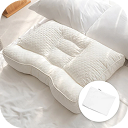
Our design targets the cervical spine specifically. It provides a buoyant lift that synthetic fills simply can't replicate. This support allows your neck muscles to finally disengage and recover from the day's strain. To ensure your sleep environment remains pristine, we include a breathable Anti-Allergy Pillow Cover with every pillow. This creates a toxin-free barrier that protects you from dust mites and environmental triggers without sacrificing airflow. It's a comprehensive approach to restorative rest that respects both your body and the planet.
Start Your Journey to Restorative Sleep
It's time to move away from toxic synthetics and the lingering chemical odors of petroleum-based foams. You deserve a sanctuary that supports your health. We've seen the frustration of sleepers who have tried every "miracle" foam on the market only to wake up with the same nagging stiffness. You can break that cycle today. We offer free shipping in the USA for qualified orders to make your transition to a healthier bedroom as seamless as possible. Ditch the heat-trapping foam and experience the relief of waking up truly refreshed. Your journey to pain-free mornings starts with a choice to prioritize quality, nature, and your own physical well-being.
Reclaim Your Mornings with Purpose
You've spent too many nights fighting against a pillow that doesn't fight for you. We've explored how traditional synthetic foams trap heat and release hidden chemicals that disrupt your breathing. You now have the definitive checklist to verify real sustainability using GOLS and the new GOTS 8.0 standards. True physical recovery happens when your sleep environment is as clean as your support is reliable. Choosing the right eco-friendly pillow materials is the final step in reclaiming your mornings and protecting your long-term health.
Our solution combines 100% natural hypoallergenic latex with expert cervical support to eliminate the chronic stiffness you've endured for too long. We've simplified the transition to a healthier bedroom by offering free shipping within the USA on our premium designs. Experience the difference of 100% Natural Latex-Shop Gurum Pillow. You don't have to settle for another day of discomfort. The restorative rest you've been searching for is finally within reach; your body will thank you for the change.
Frequently Asked Questions
What is the most eco-friendly material for a pillow?
100% natural latex is the most sustainable option because it's harvested from renewable rubber tree sap and is fully biodegradable. Unlike petroleum-based foams, it doesn't rely on fossil fuels for production. Other strong eco-friendly pillow materials include organic wool and GOTS-certified cotton. These fibers are produced without synthetic pesticides, ensuring a lower environmental footprint while providing a safe, healthy sleep surface for your home.
Is natural latex better than memory foam for neck pain?
Natural latex is superior for neck pain because it offers buoyant, responsive support that keeps the cervical spine aligned. While memory foam allows your head to sink into a "cradle" that often leads to misalignment, latex pushes back. This active resistance prevents your muscles from tensing up overnight. It provides the consistent orthopedic foundation needed for pain-free mornings without the heat-trapping issues of synthetic foam.
How do I know if my pillow is truly non-toxic?
You can verify a pillow's safety by checking for independent third-party certifications. Look for the GOLS and GOTS seals on the product label. These organizations test for harmful substances and verify organic claims. Don't rely on vague marketing terms like "all-natural" or "eco-foam." Always ask the manufacturer for their specific license numbers to ensure the claims are authentic and verified by current 2026 standards.
Do eco-friendly pillows smell?
High-quality natural materials have a mild, earthy scent rather than the sharp, chemical odor of synthetic off-gassing. Natural latex often has a faint, vanilla-like smell that dissipates quickly after unpacking. This is a sign of a clean product. If you're sensitive to smells, choosing eco-friendly pillow materials avoids the volatile organic compounds (VOCs) that cause the "new car smell" found in traditional petroleum-based bedding.
How long does a natural latex pillow last?
A premium natural latex pillow typically lasts 10 years or more without losing its shape or support. This longevity far exceeds synthetic alternatives, which often flatten or sag within two to three years. Because the material is inherently resilient, it doesn't "bottom out" over time. This makes it a durable, long-term investment in your physical health. It's a rare example of a product that's both sustainable and exceptionally long-lasting.
Are organic pillows good for side sleepers?
Organic pillows are excellent for side sleepers as long as they provide enough loft to fill the gap between the ear and shoulder. A high-density natural latex core is ideal because it maintains its height throughout the night. This prevents your head from tilting downward, which is a common cause of shoulder pain and neck stiffness. It ensures your spine stays neutral while you rest on your side.
What does GOLS certified mean for pillows?
GOLS stands for Global Organic Latex Standard, and it's the leading certification for organic latex products. It guarantees that the latex consists of more than 95% certified organic raw material. This standard monitors the entire supply chain, from the plantation to the factory. It ensures that no synthetic rubber blends or harmful chemical additives were used during the manufacturing process, giving you a truly pure product.
Can eco-friendly pillows help with allergies?
Eco-friendly pillows are a powerful tool for allergy relief because materials like natural latex and wool are inherently antimicrobial. They naturally resist the growth of mold, mildew, and dust mites. For maximum protection, pair your pillow with an Anti-Allergy Pillow Cover. This creates a clean, breathable barrier that prevents environmental triggers from disrupting your rest. It's a simple way to eliminate nighttime congestion and wake up feeling refreshed.